by jo baquirin | 22 April 2026
you quit the 9-to-5 to reclaim your time, yet you still treat rest like a moral failure.
even without a boss watching, you’re haunted by the phantom weight of performance metrics that should've been left behind as soon as you walked out the door on your last day of work.
today, i wanna dive deep into why we still view our life as a resource for extraction, even after we've left the corporate world or the traditional workplace.
we're touching on an 18th century prison design, that then became a 1975 metaphor for modern society.
this will help us understand why we work the way we do, why we hold ourselves to very high standards, and how to deal with this productivity guilt that consumes us on a daily basis.
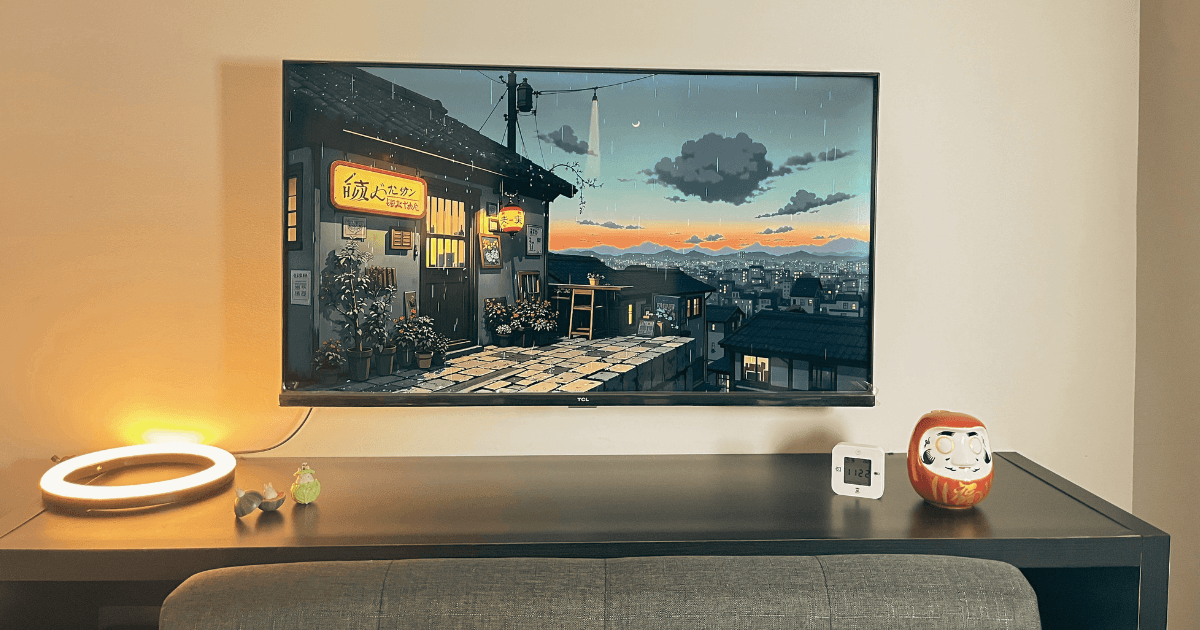
there's nothing like getting up, turning your computer on, and working on your business from home.
it's the ultimate dream to have this much freedom and autonomy. and while this newfound independence can be lonely (like we talked about last week) it's also very...all-consuming. especially when you hold yourself to very high standards - you're always productive, you keep doing more, you beat yourself up on a slow day.
this is the corporate programming lana (my co-founder) is still trying to unlearn: overworking, extreme productivity, and overloading herself with tasks because she feels like she's "not doing enough". there's something so crazy about this, because we don't work around performance metrics & evaluations anymore. we don't even have a boss watching over us.
so where exactly is this coming from?
let's dive straight into the panopticon.
the panopticon was an 18th century prison design by jeremy bentham - a circular building surrounding a central guard tower. the concept was, the inmates were isolated in individual cells. each cell was fully visible to the tower. now, the crazy part was, the inmates couldn't see into the tower. meaning they could never see the guard. they never knew exactly when they were being watched. only that they could be watched at any given moment.
this asymmetry of visibility is the foundation of the panopticon's power.
it basically highlights that the ultimate goal of the tower is to drill this state of 'conscious and permanent visibility'. think about it, if you believe you might be watched at any moment, you'll eventually just start acting as if you're always being watched. you internalise the gaze of the guard and begin policing your own behaviour.
and this was what philosopher michel foucault realised as the ultimate metaphor for modern power.
he noted that in this system, visibility is a trap. because then, power doesn't even need to be physically there to force you to work, it just makes you feel visible, like someone's watching you, so you 'subjugate' yourself. you start being the outside force that controls...you.
over time, this concept bled onto schools and workplaces. because the truth is, the panopticon was never meant for just inmates. bentham's brother originally envisioned this architecture of surveillance for supervising unskilled factory workers. so, eventually, that surveillance architecture and physical guard tower became the blueprint for the traditional, physical workplaces lana and i came from.
whether it was the corporate office where managers could walk by your desk at any moment, or the school system built on constant evaluations, we were conditioned by an architecture of physical visibility. in these environments, your worth becomes tied to how busy you look and the arbitrary performance metrics you have to meet.
and because we spent years surviving in these physical spaces, we learned to constantly prove our productivity. we were conditioned to perform, perform, perform. more is better. don't make mistakes or else. behave like we tell you to, no questions asked. change this to make your ratings higher. do this to climb the corporate ladder. work within these guidelines if you want to keep being viewed as an amazing employee.
we were trained in this system so deeply that i didn't even notice anything was inherently wrong with it...until now. and now that i'm looking back from a very different lens - this is how we recognise the trap.
when we finally leave these physical buildings to start our own business from home, the guard tower doesn't disappear. it just moves inside our heads. even without a physical boss watching over us anymore, we accidentally become our own invisible supervisor. we police our own breaks, we feel guilty for stepping away from the desk, and, just like lana, we overload ourselves with tasks because we're still performing for a phantom boss that we brought home with us.
somehow we have this invisible audience of former employers making us feel guilty and shaming us for starting late or finishing early. to the point where we need to justify the concept of rest. "i did so much work yesterday, i deserve a break today." it's a normal thing to feel and do, but it's also wild how we need to justify that break to ourselves. it's like, chill. nobody's here to reprimand you for going to the shops at the start of your workday.
but still, we go through this cycle every so often. because unlearning this programming takes time. it takes conscious effort to allow yourself to stop before you get tired - because the expectation has always been go beyond what you can normally do. and if we don't, if we even dare to do anything less than that, then we're just not good enough for the job.
this is what i struggle with. and since i have access to my work 24/7, my boundaries have disappeared. i think of an idea, i execute straight away. i fall into the trap of not stopping because i don't really feel exhausted (i love working on our business and working from home). and my programming says if i'm not tired, i don't need to stop. on top of that, i don't leave work at 5pm, so then i just work more. what's so ironic about this is that, when i was a homeroom teacher, i vowed to never bring work home. i kept that vow (religiously). but now? i probably work longer hours than ever before. subconsciously, i still function in the do more, push harder concept. i still battle with the 'no pain, no gain' mindset. because i thought that was the only way to achieve anything in life.
i get chills writing this, i just can't believe we've spent our whole careers functioning this way, thinking it was the only way to work. and so we feel like this productivity guilt is a personal flaw. but it's not, it's the lingering side effect of a system designed to control and exploit you.
we literally flat-out mistake exhaustion for worthiness. and that's how deeply we've participated in these modern societies of control.
this is why our studio exists. we're still in the process of shedding the lingering effects of the 9-5, traditional, corporate way of working. it's not that we advocate for anti-hustle because we're so good at 'not hustling', it's because we're teaching ourselves to unlearn that. we want to put out this type of content, advocating for a more intentional way of living and working, for the ones who struggle with this kind of pain like we do.
because we need to break that extraction cycle.
if we want to build a business that acts as a natural extension of our lives, we have to stop viewing our time as a resource for extraction. we have to replace the inner voices of doubt, shame, and scarcity with something else. something that won't pull us back to the trap of the panopticon: a deep, unwavering intentionality.
start by reclaiming your rest. let go of the idea that stepping away from your work is wrong. stop wearing working around the clock, neglecting your overall well-being, and chasing meaningless metrics like a badge of honour. your worth is not measured by your constant availability, the number of tasks you tick off, or how exhausted you feel at the end of the day.
let your worth be measured by how much you allow yourself to stop, say no, and walk away when the need to keep going feels strongest.
to accept that success is often nurtured in between moments of losing hope and finding the sliver of it.
and to choose the soft glow of embers over the fleeting warmth of a burning fire.
this is the true art of nurturing a life and business with a quiet, unwavering intention.
that said…our workshop is happening today! 🥳
live an intentional life: nurture an intentional business
we’re gathering today for 60 minutes - we’ll figure out what an intentional life looks like for you, and how to build it step by step without burning out. if you’re reading this today, there’s still time to join us.
we also have:
1:1 sessions (brand & business conversations) 60 minutes. talk about your business, your frustrations, your wins, your questions. anything and everything. no pressure, no judgement.
the intentional journey (12 weeks) spring. summer. autumn. winter. 4 seasons of building your brand, your visual identity, your business, and your life’s work together.
all the details and booking links are on our website.
stay soulful,
jo from 要素 yōso studio